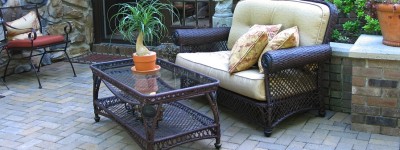

Thank you for taking the time to find Down to Earth, the Raleigh area’s most complete and quality landscaping team! We know your property is very important to you, which is why we have the area’s hardest working and most trusted landscaping professionals ready to serve you.
No matter how big or how small your landscaping or outdoor improvement project is, our expert crew is standing by to help you turn your landscaping dreams into a beautifully crafted work of art.
Here at Down To Earth Landscaping, we believe that landscaping doesn’t just stop at a design and installation project. Although we specialize in outdoor living landscape construction, we offer so much more to our clients that can fulfill any of their outdoor living needs, including:
- Weekly Landscape maintenance and Annual Lawn Care programs.
- Sprinkler system installation, service, and repair.
- Landscape lighting
- Plantings – large trees, shrubs, privacy plantings, perennials, annual color plantings
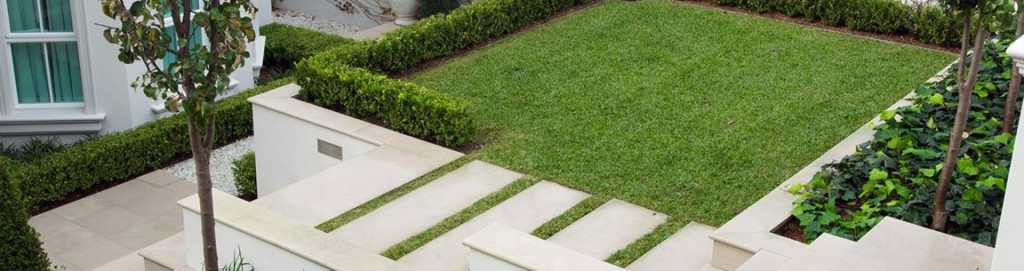
- Turf renovations – sod installation, aeration and overseeding.
- Seasonal pruning & cleanups.
- Swimming Pool Design & Landscaping
- Pool Code Aluminum Fences, Deer Fencing
- Patios and Pavers
- Stone and Brick Masonry
- Waterscapes
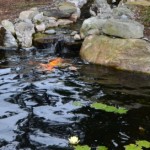
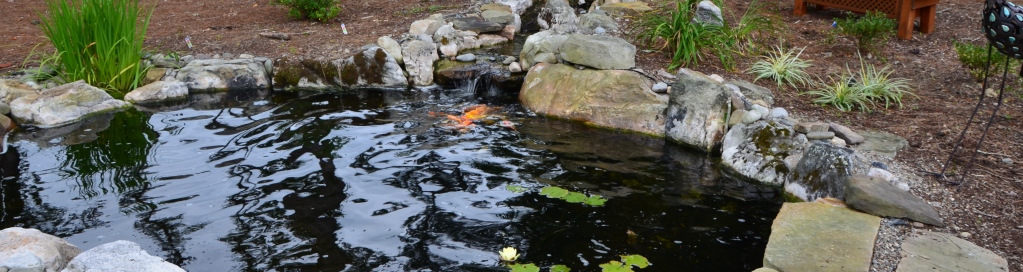
- Koi Ponds and Water Gardens
- Outdoor Kitchens
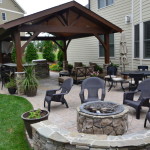
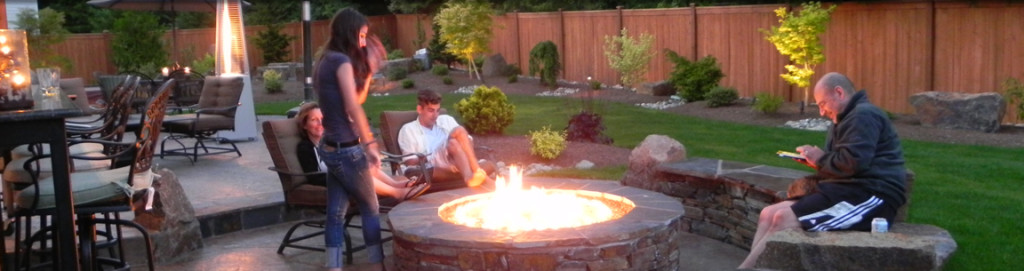
- Outdoor Fire Pits and Fire Places
Consultations and Estimates
Your project begins with an onsite consultation to get a feel for the property and the improvements you have in mind. We can first discuss the project scope over the phone to decide if a quick stop to evaluate and measure is sufficient for estimating, or if we should schedule a consultation – usually about an hour. For smaller 1-2 day projects or for maintenance, cleanups, and seasonal tasks, we can evaluate for landscape estimates with a quick, informal stop. Most projects are going to be more involved, and we’ll need to schedule at least an hour to advise you and put together a more carefully considered solution that best fits your goals and budget.
Larger projects with many integrated components will involve design time, as there is much to consider and many decisions to make. After we have a feel for the property and scope of your project, we can provide a design proposal based on the estimated design time that we forecast may be involved. This cost is separate from any actual construction. Once all the details are worked out through the design process, we can accurately estimate the costs and put together a proposal to build an install your new living space.
We’ll be glad to discuss the consultation and design fees over the phone to get a feel for the most appropriate approach. Consultations may be just an hour or two while Designs are a much more comprehensive process. A full landscape design that may involve permit drawings, HOA documents for submission and a more technical project may range from $1800 to $4500. It all depends on the complexity of the property, the desired features and overall scope, and the overall vision and direction that you want to take the project.
Repairs for irrigation systems (sprinklers), landscape lighting, and water features generally require troubleshooting as a first step. We start by scheduling a service call, and these repairs are invoiced on a time + materials basis. Often the solution is a quick repair that we are equipped to do during the service call and unless the problem is obvious, the most time-consuming part of a repair is in troubleshooting and pinpointing the problem. If we discover a larger, previously hidden problem, we can then put together an estimate for the solution and advise you of the best options. Most problems are below the surface, not obvious to anyone, and it is impossible to offer an accurate estimate to repair problems we haven’t discovered yet. The service call and troubleshooting effort to that point would be invoiced, and we would wait for your approval before proceeding with any proposed repairs.
We want to be your trusted friends and partners for all of your landscaping needs, and building long term relationships with all of our valued clients is one of our top priorities. Your yard will continue to change through the years, but we go the extra mile to make sure that your lawn care and landscaping quality will not.
We know you have many choices when it comes to choosing your landscaping care experts — Down To Earth Landscaping is sure that we will be the last landscape design and build company that you will ever need. Call or contact us today and find out how you can achieve the outdoor paradise that you’ve always wanted.